


- 首頁
- Blog
- Five Key Steps for App Development Requirement Analysis | From Concept to Launch, Avoiding Project Failure
Five Key Steps for App Development Requirement Analysis | From Concept to Launch, Avoiding Project Failure
2026 / 03 / 17
From online stores and food delivery to internal corporate management, almost every business model relies on apps. Unfortunately, however, over 60% of app projects are quietly taken down within three months of launch.
Why does this happen? "Unclear requirements" or "incorrect development direction" are the most common fatal flaws. Many businesses, after having an initial idea, are eager to see the finished product and overlook the most critical planning phase. This leads to constant modifications during development, budget overruns, and ultimately, a product that is disconnected from the market.
This is precisely why professional web design companies insist on conducting rigorous app development project planning and needs analysis services as the very first step in taking on a project. In this article, we will walk you through the key steps of app needs analysis step by step, helping you avoid common pitfalls and build a truly successful mobile application.
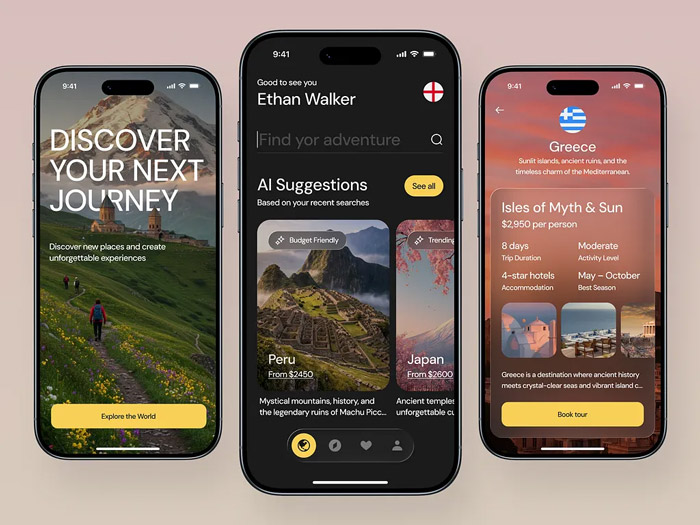
Needs analysis is by no means a routine "checkbox exercise"; it is the most critical strategic deployment in the entire app development process. It achieves three core purposes simultaneously:
Ensuring a high degree of alignment between user needs and business goals, avoiding the creation of a product "the boss loves, but users don't use."
Precisely defining the development scope, feature priorities, and budget control, ensuring every dollar is spent where it matters most.
Laying a solid foundation for subsequent UI/UX design, technical architecture, testing, and acceptance.
When the requirements document is clear, the development team has an accurate nautical chart and will no longer get lost at sea. This is also why experienced, professional app development companies always treat needs analysis as a "value-added service"—because everything that follows becomes much more efficient and effective as a result.
Any successful app must first answer the question, "What specific problem are we trying to solve?" This step seems simple, but it's the starting point many businesses most easily overlook. Therefore, when conducting market positioning analysis, start with target audience → competitors → unique selling points → and so on.
Must-haves: User registration/login (via phone or third-party accounts), product/information browsing, shopping cart/booking function, payment module, backend management system.
Nice-to-haves: Personalized push notifications, social sharing, instant customer service chat, LBS location-based services.
Additionally, technical requirements need simultaneous assessment: Native iOS/Android or cross-platform Flutter? Is backend cloud architecture needed? How to meet compliance requirements like data encryption?
Acceptance Criteria: The document must clearly define the "acceptance criteria" for each feature, such as "Login function must respond within 2 seconds," "Shopping cart must support quantity modification," etc. This effectively prevents future disagreements between both parties on the definition of "done."
Even with clear steps, many businesses still stumble into pitfalls. Here are three common mistakes we've compiled after servicing hundreds of projects:
Lack of competitor analysis leads to fuzzy positioning: Directly copying competitor features results in users finding no reason to choose your app.
Excessive pursuit of features neglects user experience: Stuffing in 20 features clutters the interface, leading users to uninstall within three days.
Failing to reserve room for future maintenance and expansion: After launch, the need for an AI feature arises, but the initial architecture doesn't support it, requiring significant rewrites.
After reading this, you might feel that needs analysis is a huge project and not know where to start. Actually, you don't need to be an expert in this area, but you do need to find the right partner. At Arachne Group Limited, we are not just a team of programmers; we are a strategic partner for your business. We deeply understand the decisive impact of needs analysis on project success. Therefore, we offer:
Free Requirements Workshop: Before project initiation, a dedicated product manager conducts an in-depth interview with you to ensure we understand every one of your business ideas.
Transparent Development Process: We reject black-box operations. From quotations to development progress, all data is open and transparent, allowing you to monitor the project status at any time.
Agile Development Iteration: We adopt an agile development model to ensure the most valuable core features are delivered first within budget and time constraints, allowing for quick adjustments based on market feedback.
Comprehensive UI/UX Design: We focus not only on functionality but also on user experience. Our designers will ensure your app stands out among numerous competitors.
Now, let's turn your idea into reality together.
Contact Arachne Group Limited now. Our professional consultants will get in touch with you within 24 hours to help you tailor an exclusive development blueprint.
Why does this happen? "Unclear requirements" or "incorrect development direction" are the most common fatal flaws. Many businesses, after having an initial idea, are eager to see the finished product and overlook the most critical planning phase. This leads to constant modifications during development, budget overruns, and ultimately, a product that is disconnected from the market.
This is precisely why professional web design companies insist on conducting rigorous app development project planning and needs analysis services as the very first step in taking on a project. In this article, we will walk you through the key steps of app needs analysis step by step, helping you avoid common pitfalls and build a truly successful mobile application.
Why is App Needs Analysis the Core of App Development?
Needs analysis is by no means a routine "checkbox exercise"; it is the most critical strategic deployment in the entire app development process. It achieves three core purposes simultaneously:
Ensuring a high degree of alignment between user needs and business goals, avoiding the creation of a product "the boss loves, but users don't use."
Precisely defining the development scope, feature priorities, and budget control, ensuring every dollar is spent where it matters most.
Laying a solid foundation for subsequent UI/UX design, technical architecture, testing, and acceptance.
When the requirements document is clear, the development team has an accurate nautical chart and will no longer get lost at sea. This is also why experienced, professional app development companies always treat needs analysis as a "value-added service"—because everything that follows becomes much more efficient and effective as a result.
Five Key Steps in App Needs Analysis: Step-by-Step Towards Success
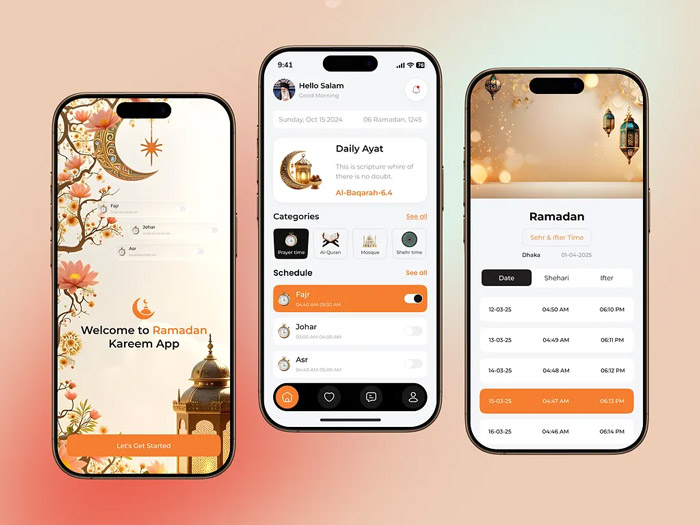
Step 1: Define Business Goals and Application Positioning
Any successful app must first answer the question, "What specific problem are we trying to solve?" This step seems simple, but it's the starting point many businesses most easily overlook. Therefore, when conducting market positioning analysis, start with target audience → competitors → unique selling points → and so on.Step 2: Define User Personas and Usage Scenarios
Features are static, but the people using them are dynamic. This stage requires building user personas, making details like age, occupation, lifestyle, pain points, and motivations concrete. Then, simulate real user journeys, scrutinizing every touchpoint from opening the app to completing the goal.Step 3: List Core Features and Technical Requirements
This is a crucial step in making abstract concepts concrete. A feature list isn't about having as many as possible; it's about splitting features into "Must-haves" and "Nice-to-haves." For example:Must-haves: User registration/login (via phone or third-party accounts), product/information browsing, shopping cart/booking function, payment module, backend management system.
Nice-to-haves: Personalized push notifications, social sharing, instant customer service chat, LBS location-based services.
Additionally, technical requirements need simultaneous assessment: Native iOS/Android or cross-platform Flutter? Is backend cloud architecture needed? How to meet compliance requirements like data encryption?
Step 4: Confirm Development Budget and Timeline Planning
Features determine the price, and the platform determines the timeline. At this stage, specific app development quotes and launch timelines need to be estimated based on the complexity of features and the desired development platform (iOS only, Android only, or cross-platform).Step 5: Establish Requirements Documentation and Validation Mechanism
Finally, all discussion results must converge into an authoritative document—what we often call a Business Requirements Document (BRD) or Product Requirements Document (PRD). This document will serve as the sole standard for acceptance between the development team and the client.Acceptance Criteria: The document must clearly define the "acceptance criteria" for each feature, such as "Login function must respond within 2 seconds," "Shopping cart must support quantity modification," etc. This effectively prevents future disagreements between both parties on the definition of "done."
Common Mistakes and Pitfall Avoidance Guide: Don't Let These Minefields Ruin Your App
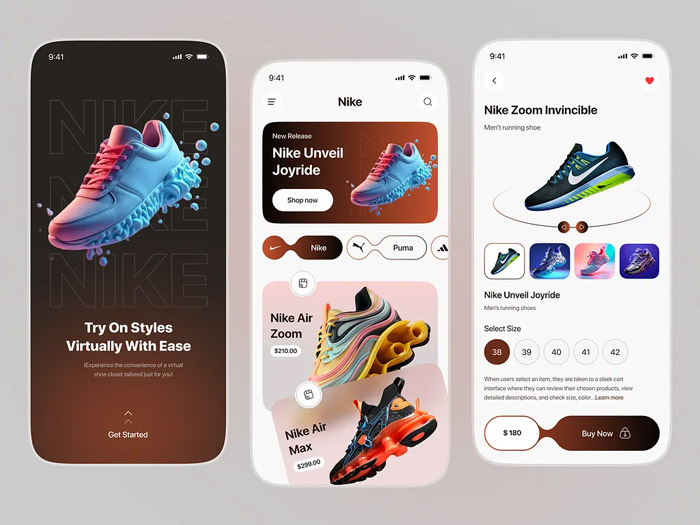
Lack of competitor analysis leads to fuzzy positioning: Directly copying competitor features results in users finding no reason to choose your app.
Excessive pursuit of features neglects user experience: Stuffing in 20 features clutters the interface, leading users to uninstall within three days.
Failing to reserve room for future maintenance and expansion: After launch, the need for an AI feature arises, but the initial architecture doesn't support it, requiring significant rewrites.
After reading this, you might feel that needs analysis is a huge project and not know where to start. Actually, you don't need to be an expert in this area, but you do need to find the right partner. At Arachne Group Limited, we are not just a team of programmers; we are a strategic partner for your business. We deeply understand the decisive impact of needs analysis on project success. Therefore, we offer:
Free Requirements Workshop: Before project initiation, a dedicated product manager conducts an in-depth interview with you to ensure we understand every one of your business ideas.
Transparent Development Process: We reject black-box operations. From quotations to development progress, all data is open and transparent, allowing you to monitor the project status at any time.
Agile Development Iteration: We adopt an agile development model to ensure the most valuable core features are delivered first within budget and time constraints, allowing for quick adjustments based on market feedback.
Comprehensive UI/UX Design: We focus not only on functionality but also on user experience. Our designers will ensure your app stands out among numerous competitors.
Frequently Asked Questions (FAQ) About App Development Needs Analysis
Q1: What if I'm not entirely sure what features I want myself?
A: This is very common! It's precisely why needs analysis is so important. Our consultants will help you refine your business model through guided interviews and competitor analysis, collaboratively exploring the most suitable feature combination for you, rather than simply developing based on your vague initial idea.Q2: Does needs analysis require payment? How long does it typically take?
A: Most formal app development companies treat needs analysis as a necessary step before project initiation. We offer a free preliminary needs assessment to help you clarify your direction and provide a rough quote. A complete in-depth analysis (producing the PRD document) typically takes about 1 to 3 weeks, depending on the project's size.Q3: After the analysis is complete, if I don't want the original company to develop the app, can I take the materials?
A: Of course. After signing a Non-Disclosure Agreement (NDA), the intellectual property rights of all documents produced during the needs analysis, including flowcharts, feature lists, and prototypes, belong to you. You are free to choose your development partner.Conclusion
App needs analysis is not an optional step; it's the most critical mile that determines a product's success or failure. When you align business goals, user pain points, and technical realities, subsequent development becomes as smooth as sailing downstream – achieving twice the result with half the effort.Now, let's turn your idea into reality together.
Contact Arachne Group Limited now. Our professional consultants will get in touch with you within 24 hours to help you tailor an exclusive development blueprint.
MORE BLOG
-

Hong Kong App UI/UX Design & Interface Optimization Guide: From Problem Diagnosis to Redesign Implementation
2026/09/02 Hong Kong App UI/UX optimization guide: diagnose UI, UX & performance issues, decide on partial fixes or full redesign, localize for HK, and choose the right design partner. -

Spending Heavily on an APP Only for Users to Uninstall Instantly? APP Loading Design & UI/UX Optimization Strategies Hong Kong Businesses Must Prioritize
2026/09/01 Learn why poor APP loading design causes instant uninstalls. Discover 4 loading states, 5 UI/UX principles & metrics tailored for Hong Kong’s weak-network environments. -

Hong Kong Senior-Friendly Landing Page Design Guide: How to Help Seniors and Their Children Understand, Trust and Leave Contact Details More Easily?
2026/08/26 Learn how to design age-friendly landing pages in Hong Kong that help seniors and adult children understand, trust and leave contact details. 5 key UX principles.

